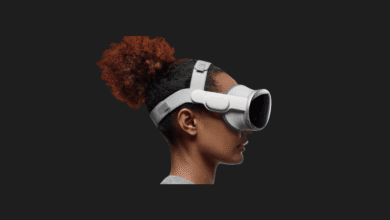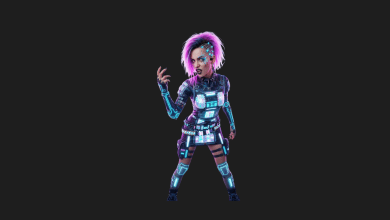
The metaverse has become an inseparable part of digital life. People create avatars with virtual identities, purchase digital land, play games, and engage in social interactions. However, the most fundamental question remains: Who truly owns these worlds, and how much say do users have in this digital universe?
The Growing Importance of Decentralization

Today, most virtual worlds are controlled by tech giants. These companies unilaterally manage the ownership of digital assets, the rules, and even user data. Even though players or content creators spend time and money on these platforms, the profits largely go to the platform owners. This situation further deepens digital inequality.
This is precisely where blockchain technology comes into play. By recording virtual assets on a distributed ledger instead of centralized structures, it both protects users’ ownership rights and paves the way for a participatory system. In blockchain-powered platforms, users can be the true owners of assets like avatars, digital clothing, or land. These assets are recorded as NFTs (non-fungible tokens) and belong solely to the user. If a platform shuts down, the user can transfer these assets to another platform.
This approach isn’t limited to asset control. Thanks to DAO (Decentralized Autonomous Organization) structures, users also have voting rights in decisions made within the system. This transforms users from mere consumers into direct participants.
In centralized systems, user data is typically under the control of companies. In blockchain-based structures, transparency and user control are prioritized. Individuals can decide for themselves what information they want to share and with whom. This reduces the risk of data misuse and strengthens trust within virtual communities.
While the opportunities blockchain provides for the metaverse are significant, there are also some challenges. It can take time for users to understand digital wallets or token systems. Additionally, the early adoption of valuable digital assets could create a new form of digital inequality. Energy consumption and a lack of user-friendly interfaces are also still subjects of debate. Despite all these challenges, blockchain stands out with fundamental values like digital ownership, participatory governance, and data security.


As virtual worlds rapidly evolve, it’s crucial that these universes are built ethically and fairly. Blockchain alone may not solve every problem. However, it offers a strong foundation for creating a metaverse that empowers users, questions centralized structures, and prioritizes participation. If the future of the digital world is truly to be open and fair, blockchain could be the cornerstone of this structure.
You Might Also Like;